18 September 2025 · 6 min
Salvage first: adaptive reuse on the Front Range
Take the building apart in order. The next use should still be able to find the last one.
Adaptive reuse on the Colorado Front Range often means a small brick commercial bay, a barn, or a mid-century office with a parking apron. The carbon, the character, and the zoning are already in the shell. Demolition is the expensive way to start over.
What does salvage-first mean?
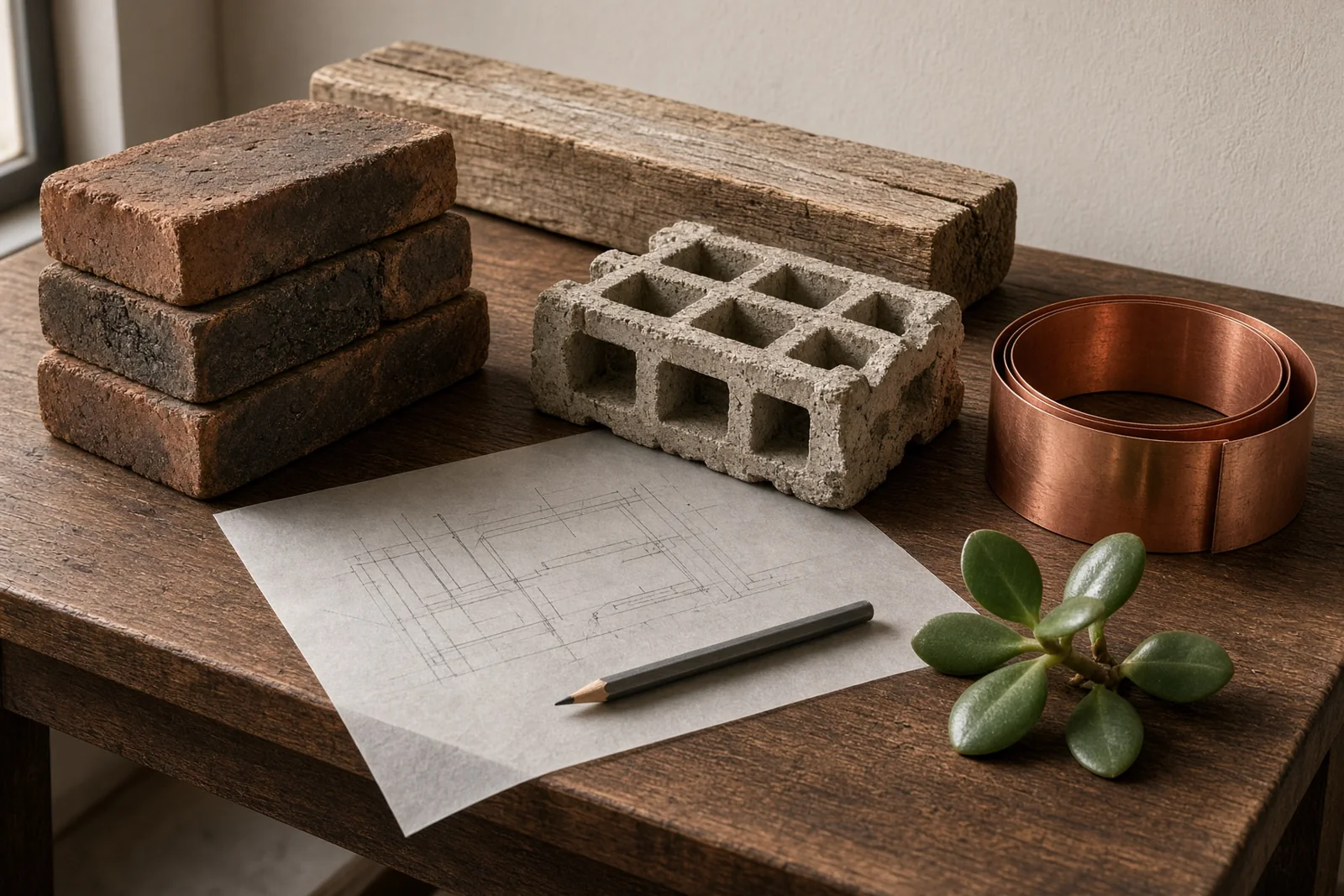
It means the existing building is the first materials list. Brick is cleaned and stacked. Timber is graded. Hardware stays with its opening. Only then do you buy anything new. Mystery ‘reclaimed’ wood with no origin is not salvage; it is a finish.
How do you add without erasing?
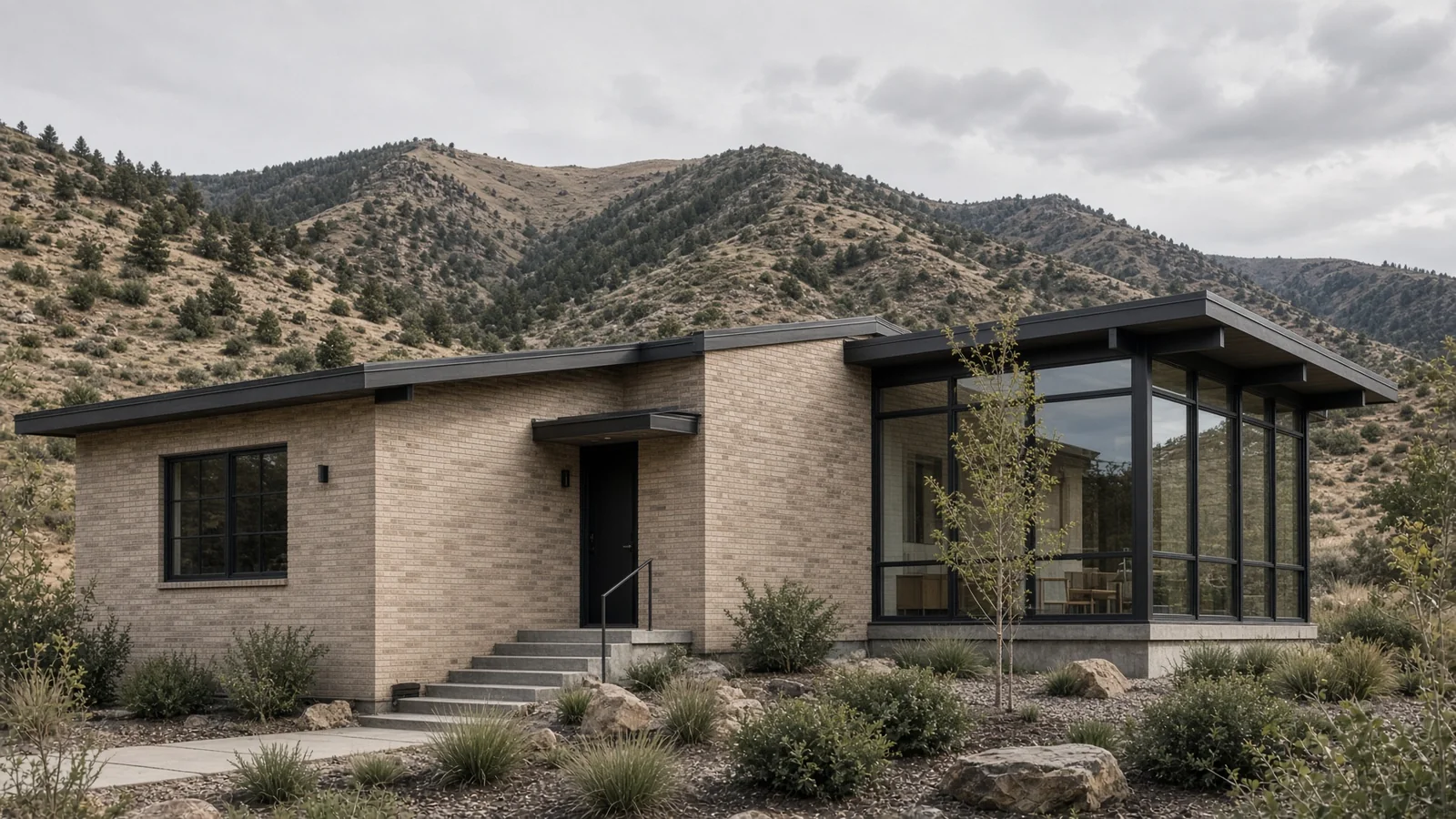
New work is inserted: a glass pavilion, a loft plate, a court. It should be readable as new so the old volume can stay old. Matching the brick exactly and then punching a showroom window through it is how reuse becomes a replica of a storefront you could have built anywhere.
Earth and hemp as repair, not costume
Experience with Earthship systems and hemp architecture is most useful here as thermal mass and vapor logic — not as a tire wall glued onto a Victorian. Hemp-lime can insulate a brick shell that needs to keep breathing. Earth berms can take a north wind off a reused volume. The material has to solve a section, not a brand.
ArcSalt is a design studio in Golden, Colorado. Start a conversation · [email protected]
- salvage
- adaptive reuse